
🐢 The Silent Comeback: Recovery of Global Sea Turtle Populations
For centuries, sea turtles have gracefully traversed the world’s oceans, surviving mass extinctions and evolving alongside shifting continents. But in the last hundred years, the survival of these ancient mariners was severely threatened by human activities. Overhunting, pollution, habitat loss, and bycatch pushed several turtle species to the brink of extinction. Yet, in an inspiring turn, scientists and conservationists are now witnessing a hopeful trend—the global recovery of sea turtle populations.
This remarkable comeback, fueled by decades of international effort, protective laws, and grassroots activism, serves as a testament to the impact of conservation when it is persistent, science-backed, and community-driven.
🌊 Why Were Sea Turtles in Danger?
Sea turtles, with lifespans extending up to 80 years, face threats at nearly every stage of life. Eggs are often stolen by poachers or eaten by predators, hatchlings are disoriented by artificial lights, and adults risk entanglement in fishing gear or ingestion of plastic waste. Moreover, nesting beaches have been eroded or developed for tourism, removing safe places for turtles to lay eggs.
Until recently, nearly all seven sea turtle species—including leatherbacks, loggerheads, and hawksbills—were listed as endangered or critically endangered by the IUCN.
📈 Signs of Hope: Recovery in Motion
A global review published in recent years has shown that over 60% of monitored sea turtle populations are now increasing. This progress, while fragile, is considered one of the most significant victories in marine conservation.
🐢 1. Green Turtles in Florida and Australia
Once decimated by hunting, green turtle populations in Florida have surged, with nest counts rising from 200 per year in the 1970s to over 30,000 nests in recent seasons. Similarly, in Australia's Great Barrier Reef, nesting numbers are showing strong recovery, thanks to turtle-safe policies and habitat restoration.
🐢 2. Olive Ridleys in India
India’s Rushikulya and Gahirmatha beaches have seen a boom in Olive Ridley mass nesting (arribada). In 2025 alone, nearly 900,000 turtles nested in Odisha, a record-breaking season. Community patrols and reduced coastal lighting have significantly improved hatchling survival rates.
🐢 3. Loggerhead Turtles in South Africa and Japan
Efforts in South Africa and Japan are also bearing fruit, with loggerhead turtle nesting showing steady increases. Turtle conservation areas, regulated fishing zones, and nesting site monitoring have played key roles.
🔧 What’s Driving the Recovery?
🛡️ Protection of Nesting Sites

Beach conservation has become a global priority. Governments and NGOs have invested in beach clean-ups, night patrols, and hatchery programs. Turtles now find safer conditions to lay eggs, and community-led efforts are often at the heart of this success.
🐟 Turtle-Excluder Devices (TEDs)
One of the most effective interventions has been the global promotion of TEDs—devices installed in trawl nets to allow turtles to escape. Nations like the U.S., Australia, and India now mandate TEDs in industrial fishing, reducing turtle bycatch drastically.
👥 Community Involvement
Former poachers in Sri Lanka, Mexico, and Indonesia have been retrained as eco-guides and beach monitors. Communities now earn livelihoods from turtle-based ecotourism, reinforcing the idea that conservation can be both ethical and economically viable.
📱 Technological Support
Advancements like satellite tracking, thermal drones, and AI image analysis have helped scientists monitor turtle movement, nesting patterns, and threats in real time. Mobile apps also allow beachgoers to report nesting events, empowering citizen science.
⚠️ The Road Ahead: Persistent Threats Remain
Despite recovery, sea turtles remain vulnerable. Here’s why:
🔥 1. Climate Change
Rising temperatures alter hatchling sex ratios—warmer sands produce mostly female turtles. If this trend continues, genetic diversity may decline, endangering future reproduction.
💡 2. Light Pollution
Artificial coastal lighting continues to confuse hatchlings, drawing them away from the sea. Many municipalities lack enforcement on “turtle-safe lighting” laws, especially in tourism-heavy zones.
🪢 3. Marine Debris and Plastic
Thousands of turtles ingest plastic bags, fishing lines, and microplastics each year. These materials can cause internal blockages, starvation, and death.
🐚 4. Illegal Wildlife Trade
Hawksbill turtles, prized for their shells, are still hunted in parts of Asia and the Caribbean. Despite international bans, black-market demand remains a threat.
📣 How You Can Help
Whether you're inland or on the coast, your actions matter. Here’s how you can contribute to sea turtle conservation:
-
🛍️ Reduce plastic use: Avoid straws, bags, and microbeads.
-
🌍 Support turtle-friendly fisheries: Buy certified sustainable seafood.
-
💡 Install turtle-safe lighting if living near the coast.
-
🐾 Volunteer at local hatcheries or donate to groups like Sea Turtle Conservancy, Oceana, or WWF.
-
📲 Share educational content during events like World Sea Turtle Day (June 16).
🌿 Sea Turtles and Ocean Health
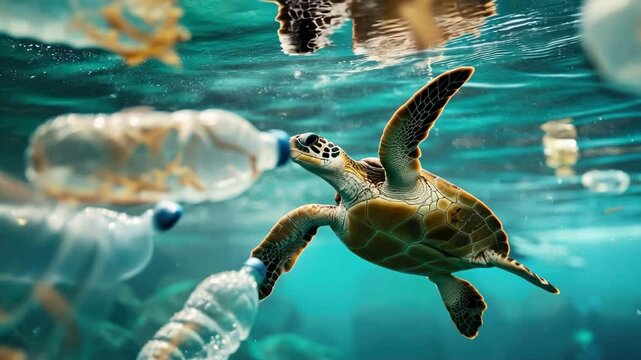
Sea turtles are essential to marine ecosystems:
-
Green turtles maintain healthy seagrass beds.
-
Leatherbacks control jellyfish populations.
-
Hawksbills help coral reefs thrive by eating sponges.
Their recovery is directly tied to the resilience of our oceans. Saving turtles means supporting the entire food web of the sea.
🌟 Final Thoughts
The recovery of global sea turtle populations is more than a conservation milestone—it’s a beacon of hope. It proves that, despite centuries of damage, nature can heal when we commit to sustainable action. These wins, however, are not final. Turtles take decades to mature and reproduce, and their journey to full recovery will span generations.
By amplifying success stories, investing in protection, and educating future generations, we can ensure that these ancient creatures continue their epic voyages across the oceans—for centuries to come.



0 Comments