
Bioluminescent Sea Creatures: The Glow of the Deep Ocean
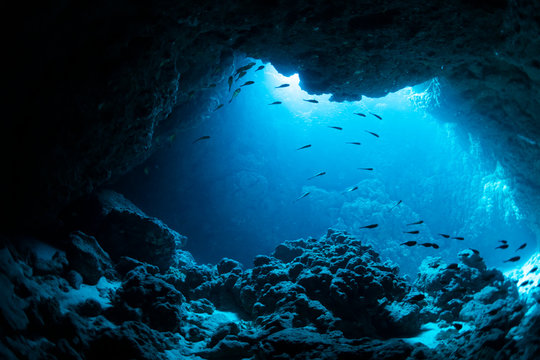
In the darkest depths of the ocean, where sunlight cannot reach, nature has created a spectacular light show of its own. Bioluminescent sea creatures, with their natural ability to produce and emit light, have fascinated scientists, divers, and ocean lovers for centuries. From flickering fish to glowing jellyfish, these organisms illuminate the deep in ways that are both beautiful and vital for survival.
This article dives into what bioluminescence is, how it works, which sea creatures use it, and why it's important to marine ecosystems — and even to human science.
🌟 What Is Bioluminescence?
Bioluminescence is the production of light by living organisms through a chemical reaction. Most commonly, it occurs when a molecule called luciferin reacts with oxygen in the presence of the enzyme luciferase. This reaction releases energy in the form of visible light.
The light produced is typically blue or green, which travels best through seawater. It’s also a cold light, meaning it doesn’t emit heat — making it highly energy-efficient.
While bioluminescence occurs in a few land organisms like fireflies, it is most widespread and diverse in marine environments, especially in the deep sea, where it is often the only source of illumination.
🐠 Where Are Bioluminescent Creatures Found?
Bioluminescent organisms can be found throughout the ocean, from shallow coastal waters to the deepest ocean trenches. However, they are most abundant in the mesopelagic and bathypelagic zones — regions of the ocean found between 200 and 4,000 meters below the surface.
In fact, up to 90% of deep-sea creatures exhibit bioluminescence in some form. These organisms have evolved to use light for everything from hunting and hiding to attracting mates.
🌊 Notable Bioluminescent Sea Creatures
1. Comb Jellies (Ctenophores)
These translucent animals refract light as they move, often appearing iridescent. Many also produce bioluminescence when disturbed, glowing in blue or green.
2. Jellyfish
Species like Aequorea victoria emit a green glow and were instrumental in the discovery of GFP (Green Fluorescent Protein), widely used in medical research.
3. Anglerfish
Found in deep waters, anglerfish use a glowing lure — produced by symbiotic bacteria — to attract prey in complete darkness.
4. Lanternfish
These small, deep-sea fish are equipped with photophores — light-producing organs that help them communicate and camouflage.
5. Firefly Squid
Native to Japan, these squid create vivid blue displays during their spring spawning season, lighting up entire bays.
6. Dinoflagellates
These single-celled plankton light up in massive numbers when disturbed, creating the stunning effect of glowing waves or bioluminescent bays.
🔦 Why Do Sea Creatures Glow?
Bioluminescence serves many purposes in the marine world. Here are the most common:
1. Attracting Prey
Predators like anglerfish use glowing lures to deceive prey into approaching.
2. Avoiding Predators
Some species use sudden flashes of light to startle predators or escape detection. Others use counter-illumination — glowing on their undersides to blend in with light from above.
3. Communication
Squid and other marine animals use flashes or patterns of light to signal each other, especially for mating or territory defense.
4. Camouflage
Bioluminescent camouflage is surprisingly common. For example, lanternfish use lights to match the brightness of surface light, making themselves harder to see from below.
🔬 Scientific Significance of Bioluminescence
The study of bioluminescent creatures has not only expanded our understanding of the ocean but has also revolutionized fields like genetics, neuroscience, and medicine.
The discovery of GFP from jellyfish led to a Nobel Prize in Chemistry in 2008. Today, scientists use GFP to track gene expression and observe biological processes in real time.
Bioluminescent proteins are also used in medical diagnostics, drug development, and cancer research. These tools allow researchers to monitor cellular activity with high precision.
🌍 Where to See Bioluminescence in Nature
Want to witness the glow for yourself? Some of the best places in the world to experience bioluminescent waters include:
-
Mosquito Bay, Vieques, Puerto Rico – The brightest bioluminescent bay in the world.
-
Vaadhoo Island, Maldives – Famous for the "Sea of Stars" effect caused by dinoflagellates.
-
Toyama Bay, Japan – Firefly squid light up the shoreline during their annual migration.
-
Luminous Lagoon, Jamaica – A popular spot to kayak through glowing waters.
These phenomena are often best viewed during new moon phases, when the sky is darkest and the glow is most visible.
⚠️ Threats to Bioluminescent Species
Despite their beauty and importance, bioluminescent organisms face a number of environmental threats:
-
Climate change – Rising temperatures and ocean acidification disrupt deep-sea ecosystems.
-
Pollution – Plastic waste and chemical runoff can harm delicate plankton and microbial life.
-
Light pollution – Artificial light near coastlines can interfere with bioluminescent behaviors.
-
Overfishing – Depletes fish populations that rely on bioluminescence for hunting or defense.
Preserving ocean health is crucial not just for these glowing wonders, but for the balance of life in marine ecosystems as a whole.
✨ Conclusion
Bioluminescent sea creatures are a glowing testament to the ingenuity of nature. In a world of darkness, they have evolved to create light — for survival, communication, and beauty. From tiny plankton to deep-sea hunters, their light guides, protects, and inspires.
Beyond their ecological roles, these creatures have changed the face of science and medicine, offering tools that help us explore the human body just as we explore the deep sea.
As we learn more about Earth’s mysterious oceans, bioluminescence reminds us that even in the darkest places, life finds a way to shine.



0 Comments