
Mimic Octopus – The Shape‑Shifting Cephalopod of the Deep

Deep beneath the muddy estuarine waters of Southeast Asia lurks one of the ocean’s most intriguing masters of disguise—the Mimic Octopus (Thaumoctopus mimicus). This shape-shifting marine marvel doesn’t just blend into its environment like most cephalopods. It impersonates other dangerous or venomous creatures with uncanny accuracy, making it a standout in the realm of animal mimicry. In the world of marine biology and viral wildlife videos, the mimic octopus has become a rare SEO gem—captivating audiences with each filmed transformation.
What is the Mimic Octopus?

First discovered in 1998 off the coast of Sulawesi, Indonesia, the mimic octopus is a relatively recent addition to marine science records. Unlike other octopuses that focus on camouflage using chromatophores (pigment-filled skin cells), this 2-foot-long invertebrate takes mimicry to the next level. It adopts the appearance, behavior, and movement patterns of up to 18 different sea creatures, fooling predators and researchers alike.
From venomous lionfish to venom-spined flatfish and even sea snakes, the mimic octopus can impersonate multiple species within a single encounter. This flexibility gives it a survival edge—and makes it one of the most fascinating examples of Batesian mimicry in the animal kingdom.
Where Does the Mimic Octopus Live?
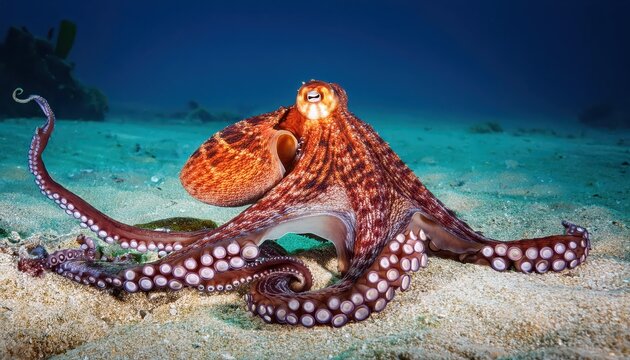
The mimic octopus inhabits shallow, muddy coastal waters—typically between 2 to 15 meters deep. It’s found mostly in Southeast Asia, including:
-
Indonesia
-
Malaysia
-
Thailand
-
Philippines
Unlike reef-dwelling octopuses, the mimic octopus prefers estuaries and silty seabeds. This murky environment provides the perfect stage for its transformational talents, allowing it to blend in or perform dramatic impersonations when threatened.
How Does the Mimic Octopus Mimic?
While many animals are capable of limited mimicry, the mimic octopus is the only known species that can choose between different mimic targets, depending on the threat.
Here’s how it impersonates some of its “role models”:
🐍 Sea Snake
When threatened by damselfish (which avoid sea snakes), the octopus tucks six arms into its burrow and waves the remaining two in opposite directions, mimicking a banded sea snake.
🦁 Lionfish
To appear like a venomous lionfish, it spreads its arms wide and undulates them while swimming forward, mimicking the lionfish’s striped fins and stinging appearance.
🐟 Flatfish
Flattening its body and swimming sideways, the octopus mimics a poisonous flatfish like the peacock sole. This transformation helps it sneak across open sand unnoticed.
Researchers have also documented mimicry of jellyfish, crabs, and even stingrays. The choice of mimic depends on the type of predator nearby—a trait that suggests a level of decision-making previously unassociated with invertebrates.
Evolutionary Advantage: Why Mimic?
The mimic octopus’s talent isn't just for show—it’s a clever survival tactic. Predators such as moray eels, larger fish, and even seabirds are less likely to attack if they think their prey is venomous or dangerous.
This Batesian mimicry (harmless species mimicking a harmful one) adds a second layer of defense to the octopus’s already impressive camouflage. And in the murky environments it inhabits—where visibility is low—movement patterns become just as important as appearance. By imitating not just the look but also the behavior of dangerous animals, the mimic octopus confuses predators long enough to escape.
Viral Fame and Scientific Curiosity
The mimic octopus rose to global attention after a widely circulated BBC documentary showcased its transformative behavior. Since then, videos of this shape-shifter have gone viral across YouTube, Instagram, and TikTok, sparking widespread curiosity.
For marine biologists, it’s become a subject of fascination—not just because of its behavior, but due to what it suggests about octopus intelligence. Octopuses are already known to be problem solvers and tool users. The mimic’s ability to evaluate threats and respond with an appropriate impersonation hints at contextual awareness, making it a key species in studies on animal cognition.
Threats and Conservation Status
Currently, the mimic octopus is not listed as endangered, but like many marine species, it faces habitat threats. Coastal development, trawling, and pollution in estuarine zones threaten the silty environments it calls home. Additionally, its growing popularity in the exotic pet and aquarium trade raises concerns about overharvesting.
Marine biologists urge responsible tourism and further research into the species’ population distribution. Protecting coastal habitats and regulating trade are crucial to ensuring that this rare creature continues to thrive.
Final Thoughts
The mimic octopus is more than a marine oddity—it's a window into the adaptive power of evolution and intelligence in the sea. Whether you're a diver, student, or SEO-savvy blogger, exploring this cephalopod’s chameleon-like capabilities is both educational and captivating. In a world where attention spans are short, the mimic octopus continues to mesmerize, one transformation at a time.



0 Comments