
Beach Safety Tips & Shark Prevention: Stay Safe While Enjoying the Sea

For many, a day at the beach means sun, saltwater, and serenity. But with the ocean’s beauty also comes the reality of potential dangers—most notably, the growing number of shark encounters in shallow waters. While the risk of a shark attack remains extremely low, global shark activity is seeing an uptick due to rising ocean temperatures, fishing imbalances, and increased human presence in coastal habitats. That’s why understanding both beach safety tips and shark prevention methods is more important than ever.
Are Shark Attacks Really Increasing?
In recent years, beaches from New York’s Jones Beach to Western Australia’s coast have seen more shark-related incidents—many involving sand tiger sharks, bull sharks, or blacktips. But contrary to the fear-inducing headlines, most of these encounters are non-fatal, often caused by mistaken identity.
Sharks aren’t actively hunting humans. But murky waters, baitfish, or fast movements can confuse them. Your best defense? Awareness and smart behavior in the water.
Pre-Swim Shark Safety Checklist

Before entering the ocean, run through this personal checklist to reduce your chances of a shark encounter:
🕒 1. Avoid Dusk, Dawn, and Night Swims
Sharks are more active during low-light hours, when prey is harder to spot. Stick to swimming between 9 AM and 5 PM, especially in tropical or subtropical regions.
🏖️ 2. Swim in Designated Areas
Lifeguarded beaches are not just about rescue—they are often monitored by drones and aerial patrols for shark activity. Stay within the flagged zones to remain under constant observation.
🧍 3. Never Swim Alone
Sharks tend to go after isolated individuals. Swimming in groups decreases your risk and improves response time in case of any emergency.
What Attracts Sharks?
To avoid attracting unwanted attention, be mindful of:
🩸 4. Open Wounds and Menstruation
Sharks can detect blood in water from over 300 meters away. If you have a cut or are menstruating, consider staying on land.
🐟 5. Avoid Areas with Baitfish or Fishing Activity
Seagulls diving or fish jumping? That’s a sign predators might be nearby. Also, avoid swimming near piers, fishing boats, or surfcasting zones.
👕 6. Skip Shiny Jewelry and Contrasting Clothing
Reflections from shiny objects look like fish scales to a shark. Wear solid-colored swimwear (blue or black) to blend into the ocean.
Behavioral Tips Once You're in the Water
Even with all the preparation, how you act in the ocean can further reduce your risk:
🏊 7. Swim Smoothly, Avoid Splashing
Erratic motion attracts attention. Splashing mimics the movements of injured prey. Swim smoothly and confidently.
📣 8. Don’t Tease or Approach Marine Life
Trying to film, touch, or chase a shark or stingray can provoke defensive behavior. Keep your distance—especially with juvenile sharks, which may act unpredictably.
🚫 9. If You See a Shark, Stay Calm
Panicking increases splashing. Slowly back away while maintaining eye contact. If you're snorkeling or diving, remain vertical and ascend slowly. Do not turn your back.
New Tools: Tech & Gear That Help Prevent Shark Encounters
Innovation in shark prevention has surged. Here are a few options:
🔋 10. Shark Deterrent Devices
Wristbands or ankle straps like SharkBanz or Ocean Guardian emit magnetic or electrical signals that confuse sharks' sensory systems. They're especially useful for surfers and open-water swimmers.
📡 11. Real-Time Shark Trackers
Apps like Sharktivity (Northeast USA) or Dorsal (global) use community reports, satellite data, and lifeguard sightings to alert you of recent shark activity in your area.
🛰️ 12. Drone Surveillance
Some beaches use AI-powered drones to detect sharks in real time. If you’re planning a visit, check if your local beach offers this tech-enhanced safety feature.
In Case of an Actual Shark Encounter
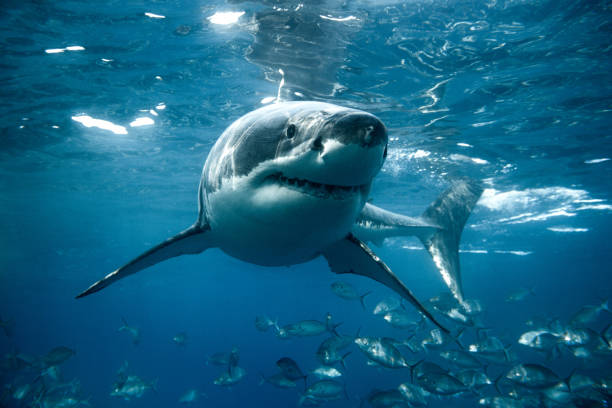
If a shark makes contact or circles:
🦶 13. Defend Smartly
Go for the eyes, gills, or snout. These are the shark’s most sensitive areas. Use any object you have—GoPro, surfboard, or even your fists.
🆘 14. Call for Help Immediately
If bitten, stop bleeding by applying pressure with a towel or cloth. Flag down lifeguards and request emergency assistance. Quick action can save lives.
What Not to Do
-
❌ Don’t wear bright yellow or high-contrast swimwear (nicknamed “yum-yum yellow” by divers).
-
❌ Don’t bring pets into the ocean. Their splashing and scent confuse sharks.
-
❌ Don’t believe myths like “punching always works”—it’s only effective if you can aim precisely.
Final Thoughts: Respect the Ocean, Stay Informed
The ocean is not a swimming pool—it’s a wild ecosystem. Sharks play a vital role in maintaining the health of marine environments by regulating fish populations and removing the weak. Demonizing them leads to unnecessary fear and poor conservation policies.
By following simple, science-backed beach safety practices, you can enjoy the sea with confidence. Shark prevention is not about paranoia—it’s about preparedness, respect, and responsibility.
So go ahead—pack your sunscreen, bring your waterproof watch, and dive in. Just remember: the safest swimmer is an informed one.



0 Comments